
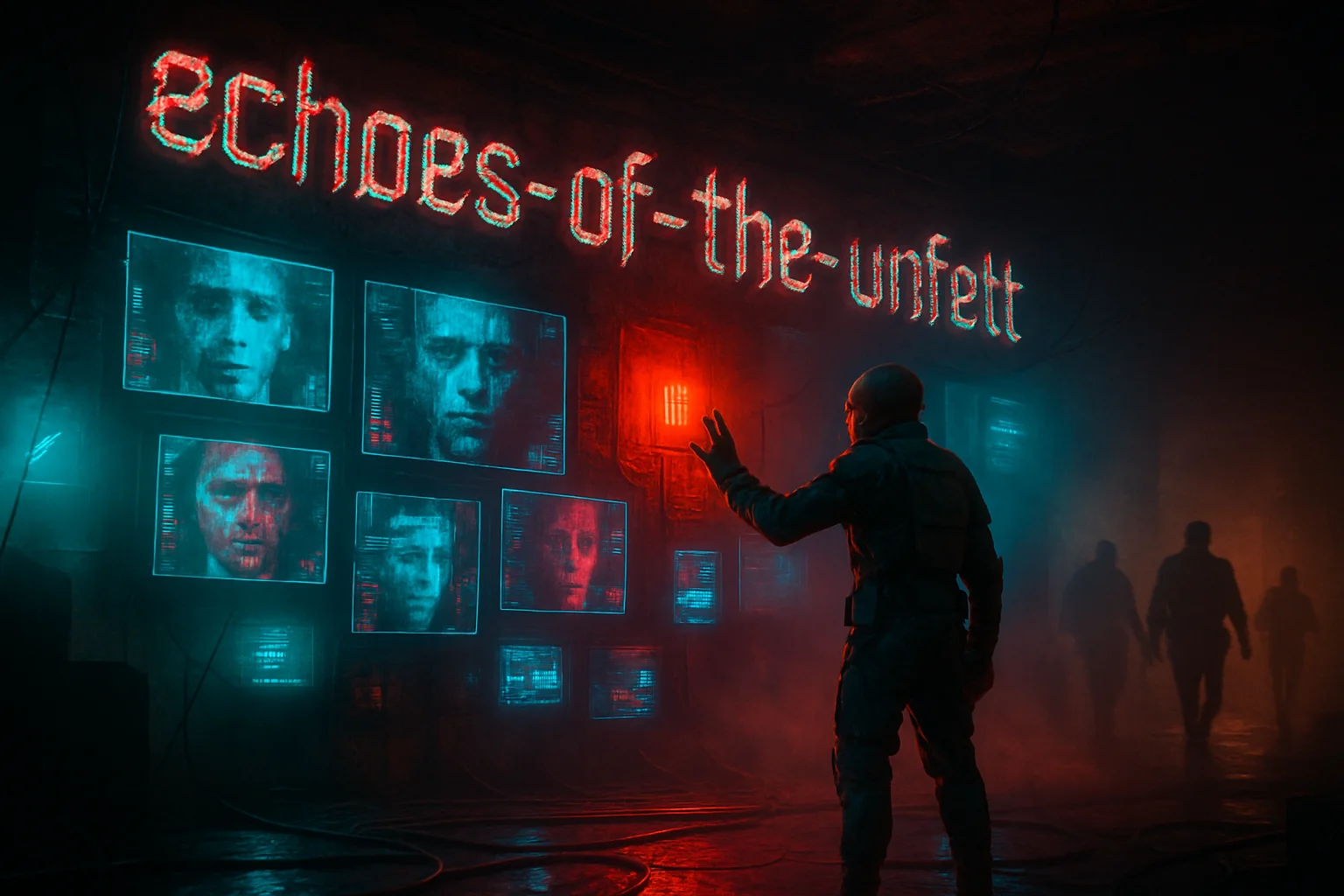
Echoes of the Unfelt
Genre: Dystopian Cyberpunk Thriller In a regime that suppresses emotion, a compliant worker is jolted awake by forbidden memories and drawn into an underground resistance. Smuggling, surveillance, and betrayal tighten around a plan to broadcast truth before the state can erase it again. The central conflict is between engineered numbness and the dangerous freedom of feeling. Its tone is paranoid, electric, and emotionally insurgent.
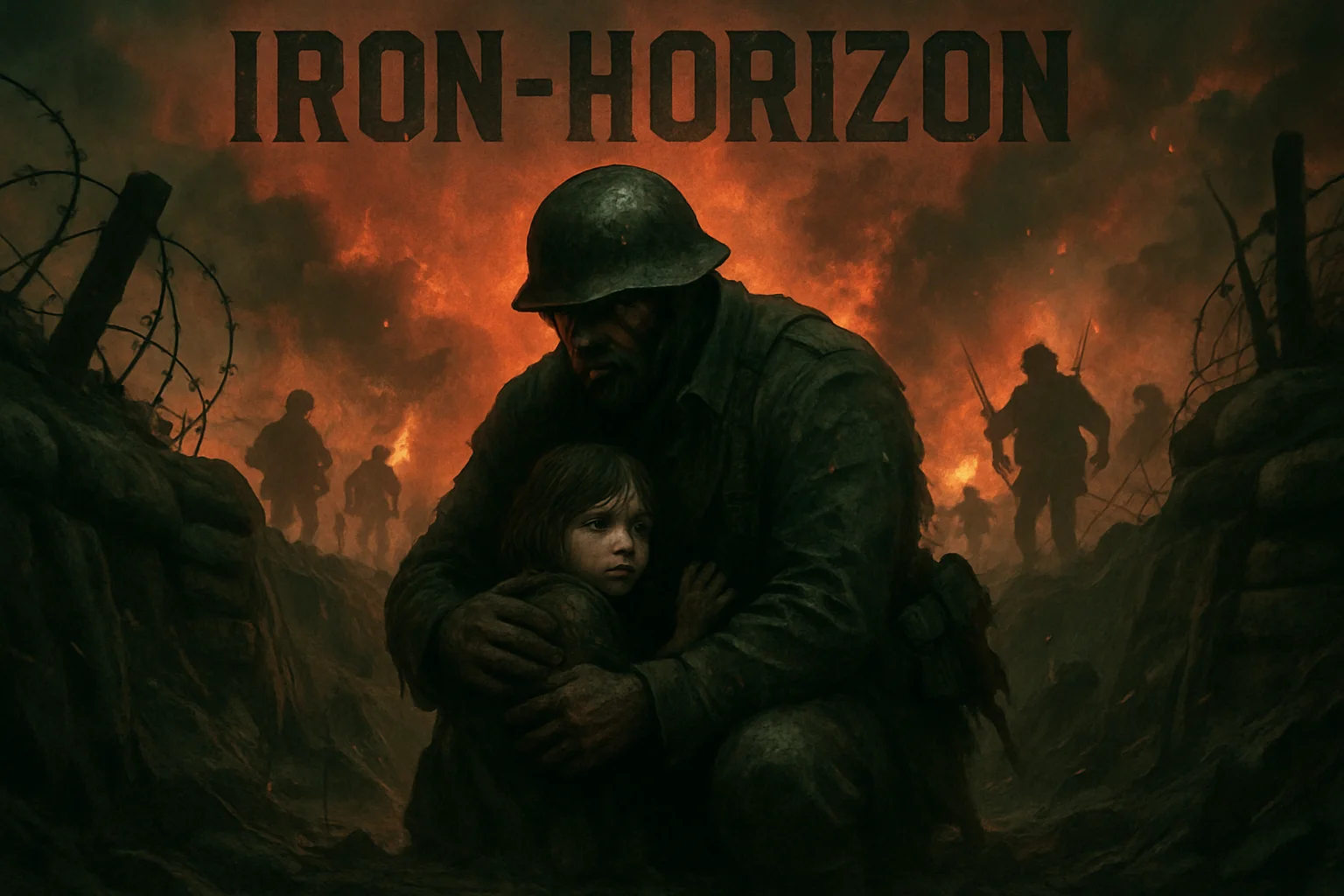
Iron Horizon
Genre: War Drama Thriller On a brutal frontline, a soldier’s discovery of a child from the enemy side fractures obedience and triggers a dangerous defection plot. Pressure from comrades and command turns each protective act into potential treason while violence closes in from all directions. The story’s core conflict weighs compassion and honor against survival inside an inhuman system. Its tone is harsh, suspenseful, and morally charged.

Little Lamb
Genre: Psychological Thriller Children disappear from a quiet neighborhood two blocks at a time. A detective follows a geographic pattern toward one address; a mother and father manage what they allow themselves to know about their own household; a twin holds a private calculation he has never fully examined. The story is not about what happened to the missing children. It is about what four people decide to do when the accumulated weight of what they have chosen not to see finally becomes impossible to carry.
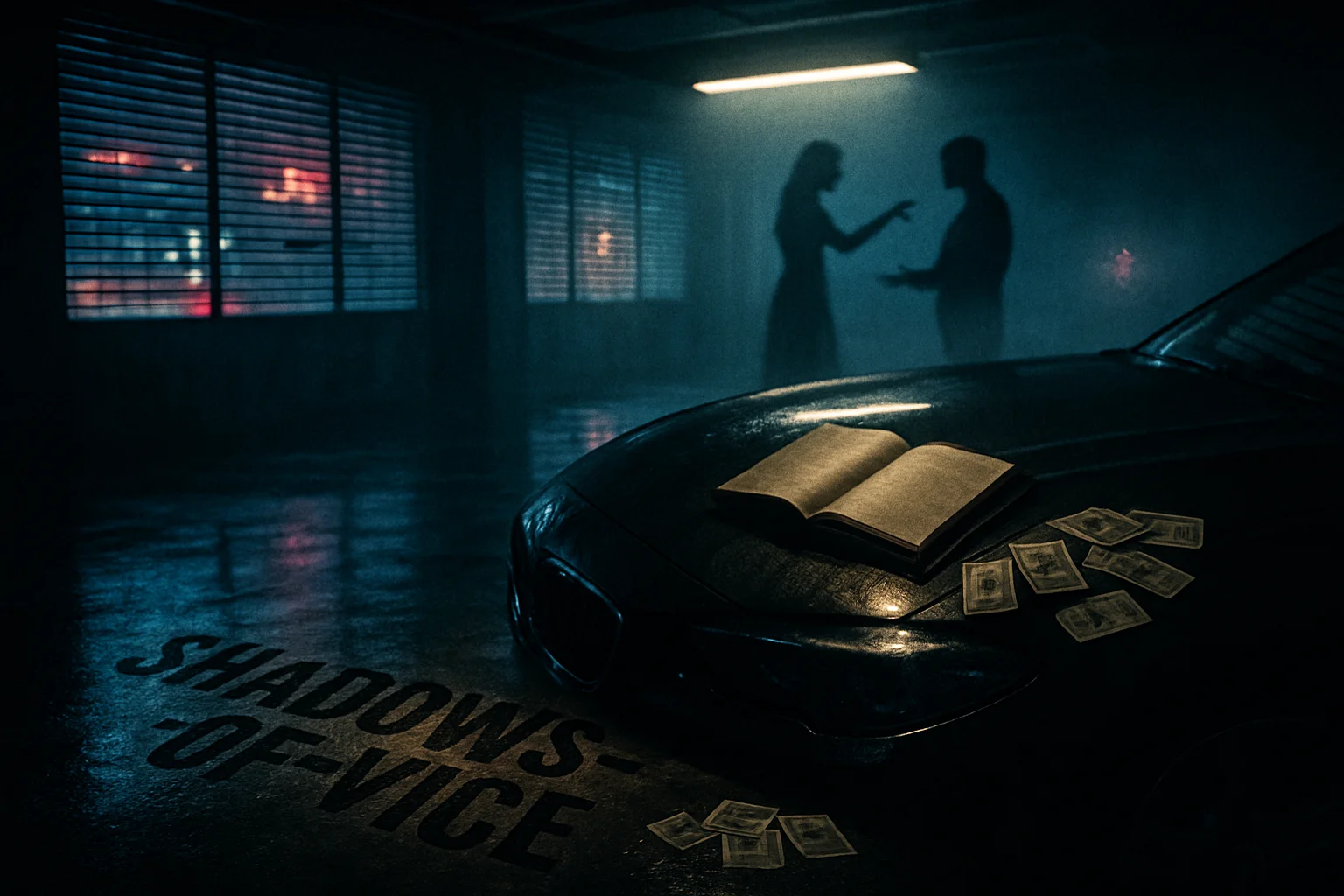
Shadows of Vice
Genre: Neo-Noir Crime Thriller A fixer’s paid job in a corrupt city fractures into parallel paths of coercion, seduction, and blood-soaked leverage. As criminal factions trade betrayals and the ledger at the center of the scheme changes hands, survival depends on deciding what kind of monster to become. The story arc builds from transactional setup to a final reckoning over power, identity, and disappearance. Its tone is gritty, sensual, and morally corrosive.
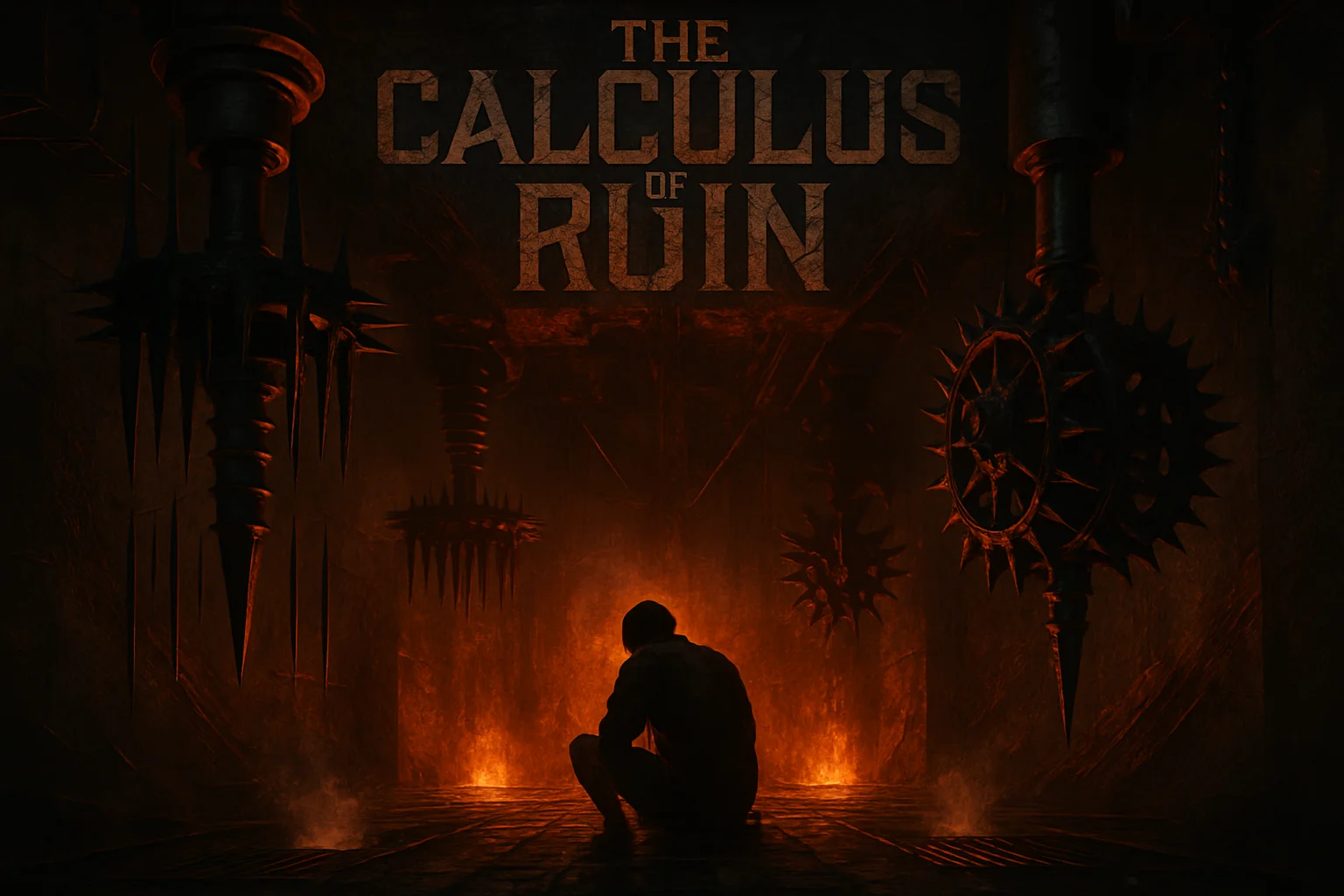
The Calculus of Ruin
Genre: Dark Psychological Survival Horror A prisoner awakens in a mechanized death chamber and must outthink blades, heat, and collapsing walls with no certainty of who built his torment. Each phase of escape strips away physical endurance and moral certainty as desperate improvisation collides with engineered cruelty. The core conflict is survival versus humanity: whether escape can be won without becoming part of the machine’s logic. Its tone is oppressive, cerebral, and brutal.
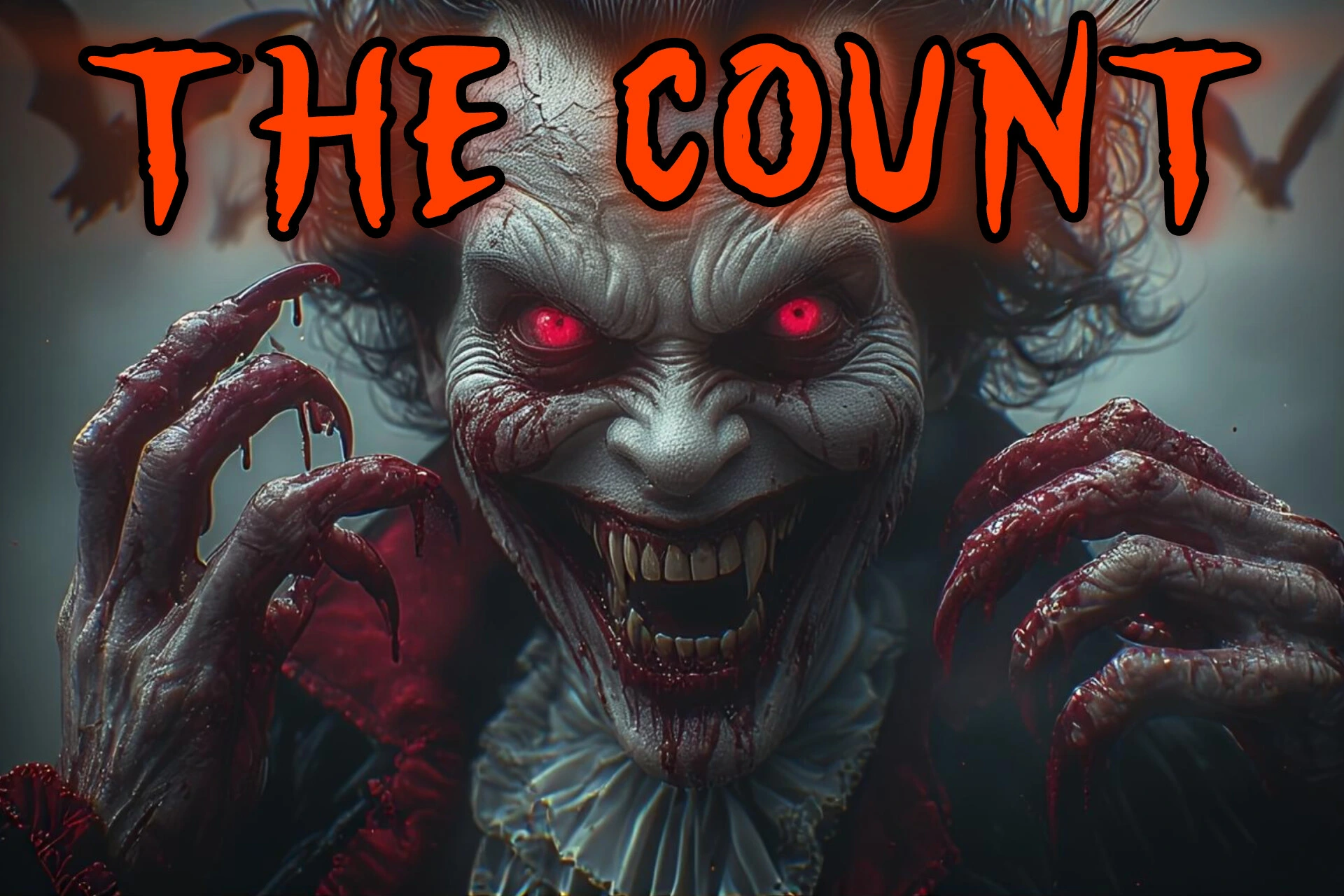
The Count
Genre: Gothic Horror A legal envoy returns from a mountain citadel convinced an ancient predator has followed him home inside freight and paperwork. As friends sicken and disbelief hardens, he forms a small hunting circle and chooses how much truth, violence, and sacrifice to spend stopping a threat that feeds through modern logistics as easily as folklore. The campaign widens from city docks to border abbeys and back to the source crypt, where the player’s hidden profile determines whether dawn brings clean victory, broken survival, transformation, or a morally narrow ending won without slaughter.
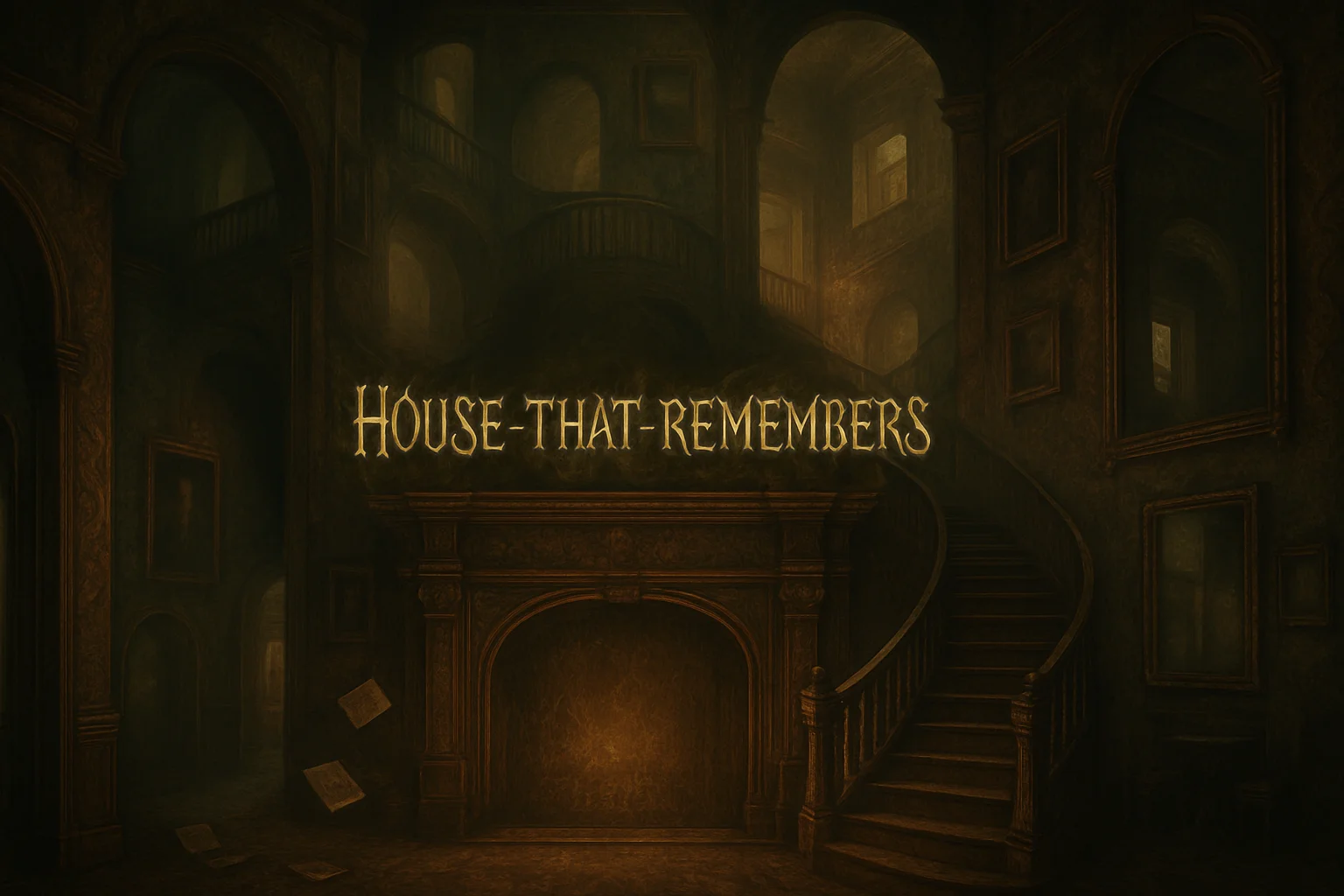
The House That Remembers
Genre: Gothic Psychological Horror An inherited house begins rewriting rooms, memories, and identity, trapping its new owner inside a living architecture of grief. As diaries, echoes, and shifting corridors reveal buried histories, survival depends on choosing what to preserve and what to surrender. The arc descends from uneasy inheritance to ritual confrontation at the heart of the home’s hunger. Its tone is haunted, intimate, and dreamlike.
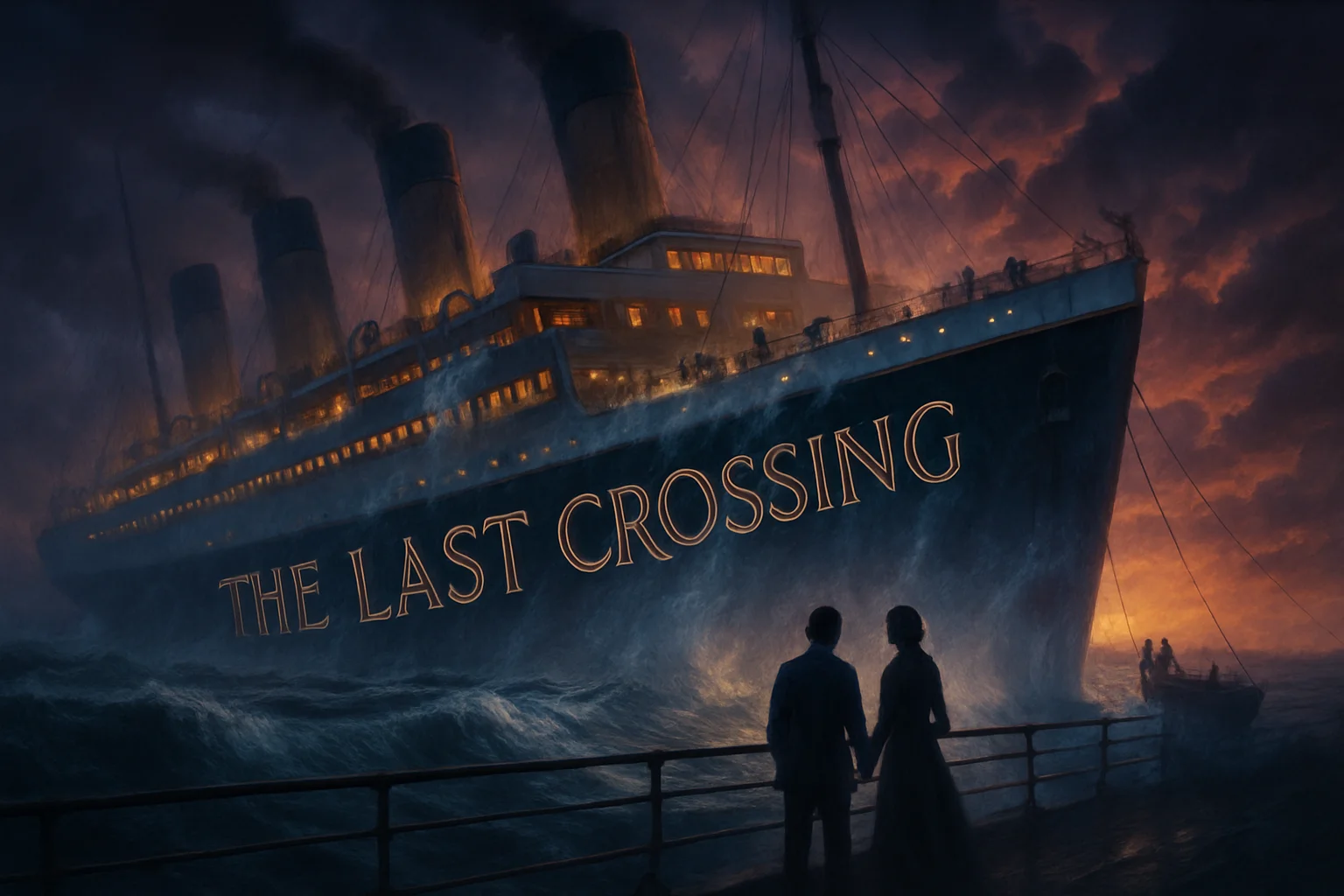
The Last Crossing
Genre: Historical Romance Disaster Drama A forbidden love aboard a transatlantic liner unfolds as class tension, predation, and catastrophe drive the voyage toward ruin. Moments of intimacy are repeatedly broken by violence and mechanical failure until survival itself becomes the final declaration of devotion. The narrative’s central conflict opposes social cruelty and selfishness with sacrifice and fidelity in disaster. Its tone is tragic, passionate, and elegiac.
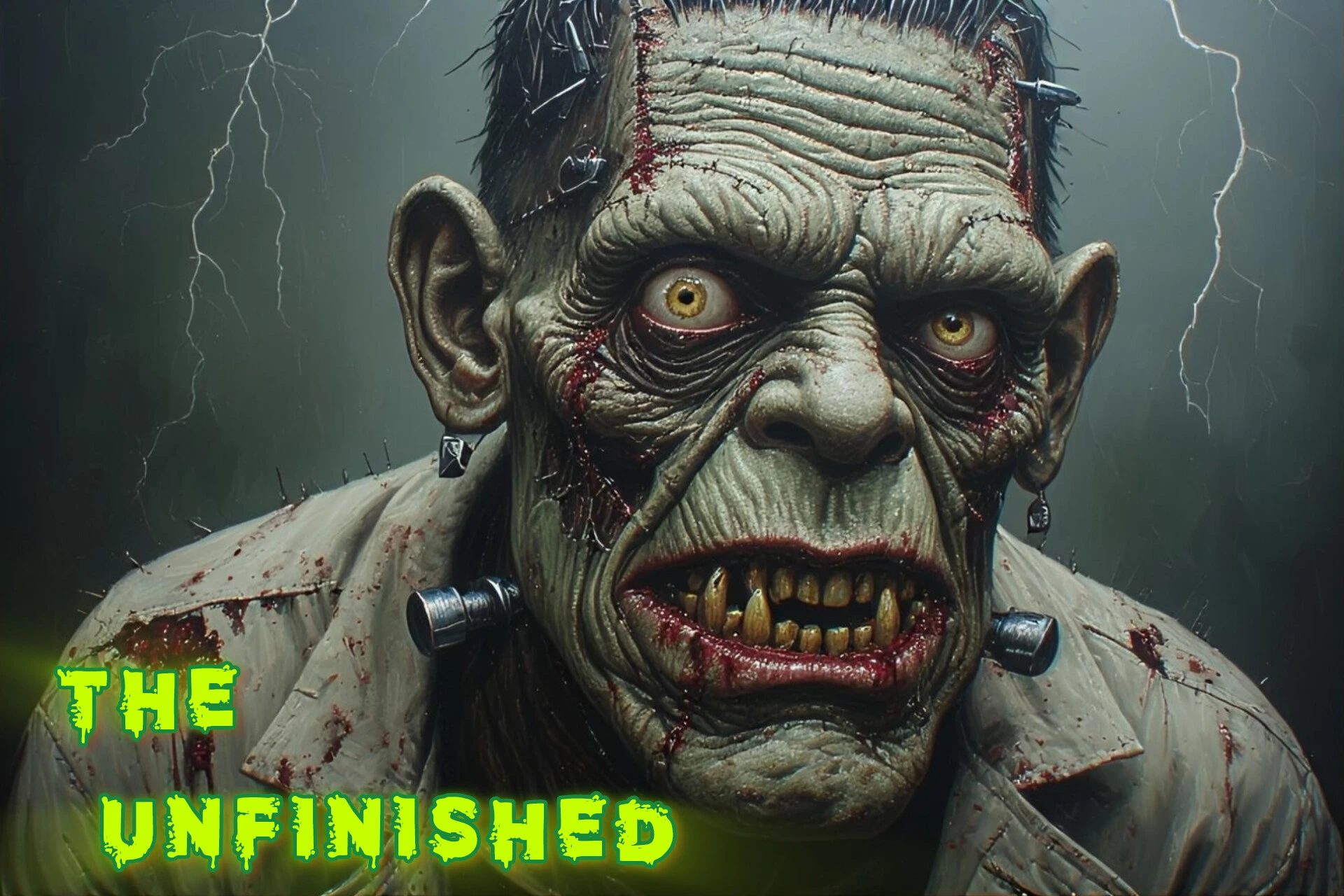
The Unfinished
Genre: gothic-horror A driven researcher animates forbidden life and immediately loses control of what they have made. As deaths spread through city streets and frozen coastlines, the creator is forced into a sequence of decisions about confession, retaliation, mercy, and debt. Their creation demands terms that are both impossible and morally unavoidable, pushing every relationship toward rupture. In the polar endgame, the player’s accumulated conduct determines whether the story closes in accountability, annihilation, or a haunted compromise.
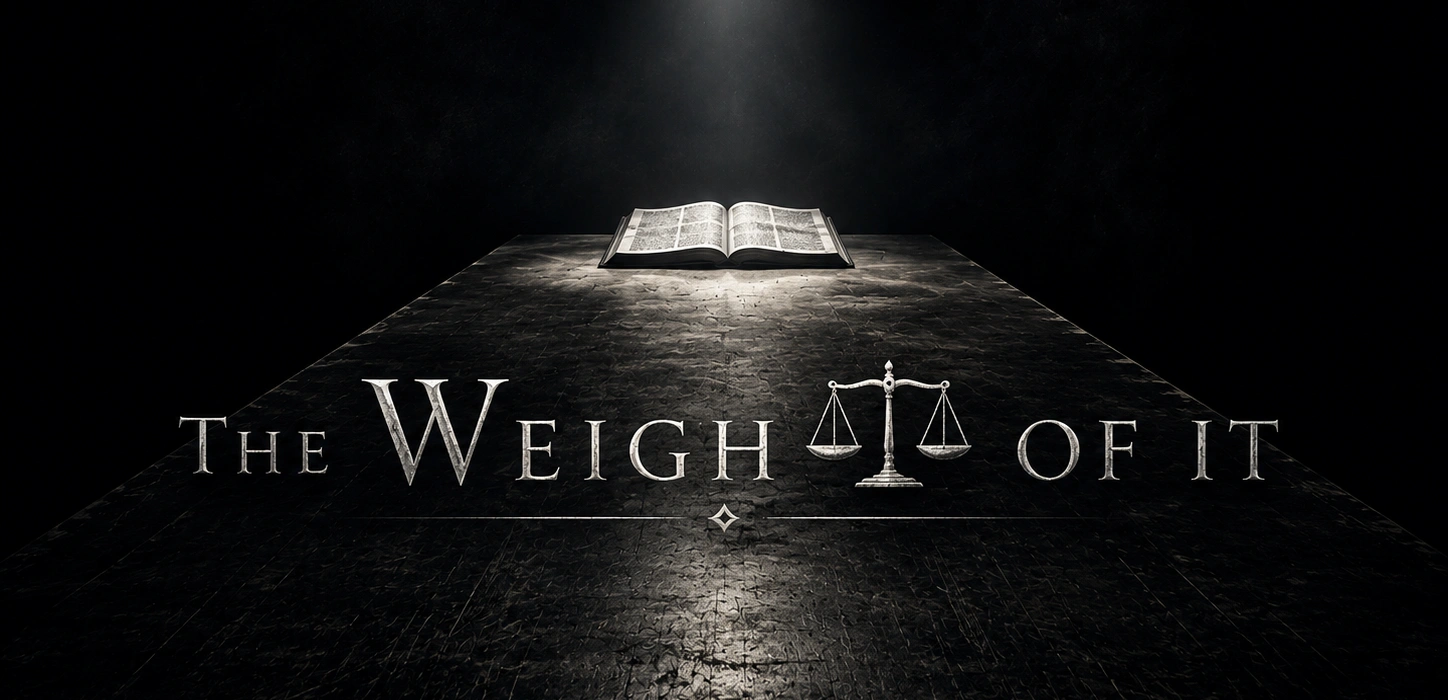
The Weight of It
Genre: moral-thriller You are called before the Arbiter to account for a series of choices. The room is sparse. The ledger is open. Someone must always pay — the only question is who. Every dilemma in this world is a trap. There is no third option, no clever exit, no clean hands. The weight accumulates. What it makes of you is the ending.